In the 2026 agricultural landscape, land stewardship is no longer just a long-term goal—it is a critical financial strategy. With tighter margins and evolving market demands, the way we manage Adair, Harrison, and Carroll County dirt directly impacts annual returns and future land valuations.
At Stalcup Ag Service, we specialize in Conservation Agriculture: a data-driven system designed to reduce input costs, unlock new revenue streams, and preserve the generational legacy of Iowa farmland.
The 2026 Shift: Why Conservation Equals Profit
For years, conservation was viewed as an added expense. Today, it is a tool for Input Optimization. By focusing on soil health, landowners can mitigate the rising costs of fertilizers and fuel while positioning their property for premium 2026 market opportunities.
1. Unlocking Modern Revenue: Carbon & Ecosystem Services
By 2026, carbon credit markets have transitioned from experimental to established.
Carbon Sequestration: Practices like no-till and cover cropping allow your land to capture carbon, which can be sold as credits to corporate entities.
- The Stalcup Edge: We help absentee owners navigate these contracts to ensure they aren’t just checking a box but are actually maximizing the auxiliary income of their acreage.
2. Precision Soil Health: Surgical Input Management
Modern conservation isn’t about doing less; it’s about doing things smarter.
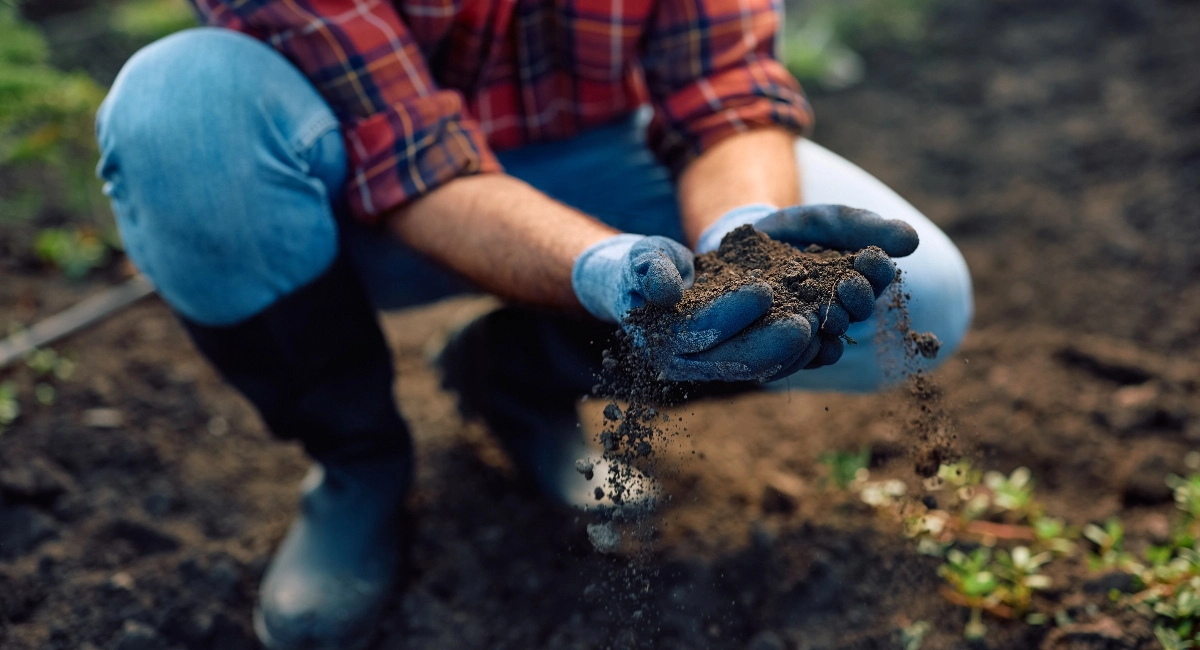
- Don’t Disturb the Micro-Biome: Every tillage pass costs fuel and disrupts the organic organisms that promote high-yield crops. We prioritize No-Till and Strip-Till systems that keep the soil structure intact.
- Variable-Rate Technology: Using 2026 precision ag tools, we ensure nutrients are placed exactly where the soil needs them, preventing runoff and reducing waste.
3. Cover Crops: The Multi-Taskers of 2026
Cover crops are the backbone of a resilient 2026 farm plan. They provide a living armor for your soil during the winter months, but their benefits go further:
- Erosion Control: Vital for the rolling hills of Western Iowa.
- Nutrient Retention: They trap nitrogen that would otherwise wash away, keeping it available for next year’s corn crop.
- Weed Suppression: Healthy cover crops reduce the need for expensive herbicide applications in the spring.
4. Navigating the 2026 Farm Bill & NRCS Incentives
The latest federal updates have shifted significant funding toward climate-smart initiatives.
- EQIP & CSP: There are more financial incentives than ever for landowners to implement saturated buffers, bioreactors, and wildflower strips.
- Transition Support: We help our clients apply for these programs to offset the initial costs of moving to a more sustainable system.
5. Transitioning Cropland to Managed Pasture
For specific terrains, like the Loess Hills in Harrison County, sustainable management might mean rotational grazing.
Moving livestock between smaller paddocks allows for permanent vegetation cover, which dramatically improves water storage and carbon capture compared to traditional continuous grazing.
Why Stewardship Matters to the Next Generation
For heirs and multi-generational owners, the goal is to pass down a productive asset, not a depleted one. Conservation Agriculture ensures that the CSR2 values stay high and the land remains a top-tier property for the next century of Iowa farming.
Partner with Stalcup Ag Service
Sustainable farming isn’t about one big change—it’s about consistently making smart, informed decisions that protect your land for the long haul. If you’re actively farming or working with a tenant, implementing conservation practices today can lead to stronger yields, healthier soil, and increased land value for future generations.
At Stalcup Ag, we work alongside landowners to ensure their farms are managed with both productivity and stewardship in mind, because the best outcomes come from balancing short-term performance with long-term sustainability.
This blog was originally published in February 2023 and updated April 2026.