Many farmland owners live hours, or even states, away from the land they own. Whether farmland was inherited, purchased as an investment, or kept in the family after moving away, managing agricultural property from a distance can present challenges.
Without regular oversight, it can be difficult to know how your land is performing or whether it’s being properly cared for. Fortunately, there are several ways absentee landowners can stay informed about their farm even when they live out of state.
Here are some practical strategies for monitoring your farmland from afar.
Maintain Regular Communication With Your Tenant
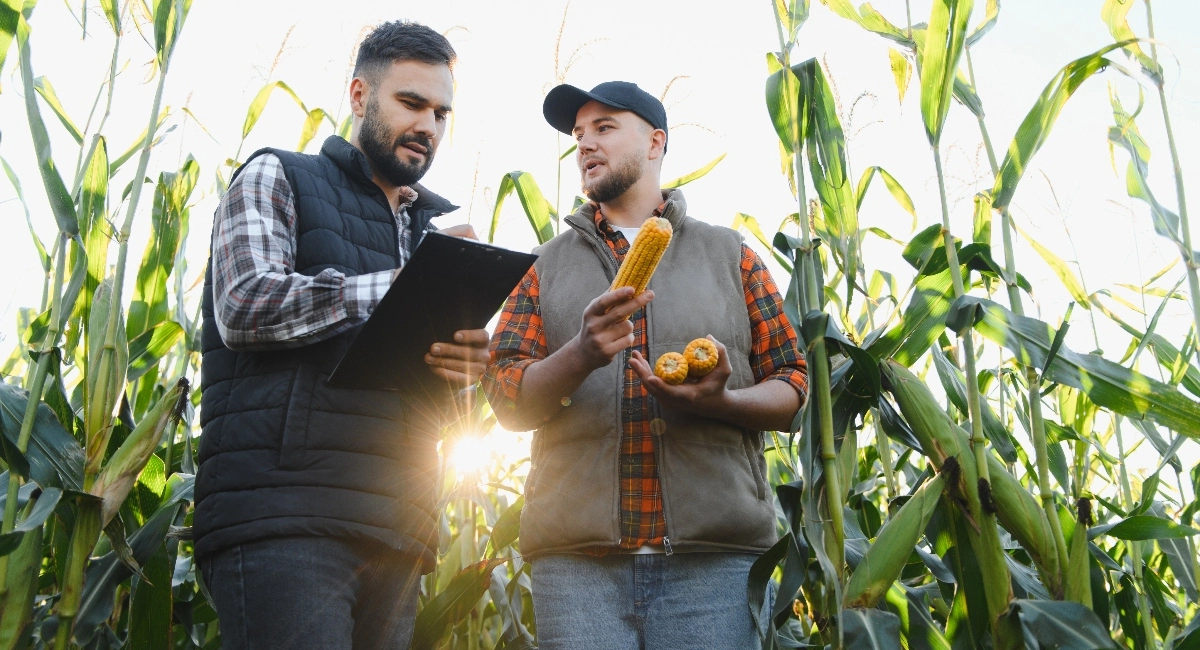
For many landowners, the tenant farmer is the primary connection to the land. Maintaining open and consistent communication helps ensure both parties remain aligned on expectations.
Absentee owners may want to check in periodically to discuss:
- Crop conditions during the growing season
- Field management practices
- Weather impacts
- Any repairs or improvements needed
These conversations don’t need to be frequent, but regular communication can help prevent misunderstandings and keep landowners informed about what’s happening on their property.
Request Annual Farm Reports
One of the most helpful tools for absentee landowners is a detailed farm report that summarizes how the farm performed during the season.
These reports may include information such as:
- Crop yields
- Soil test results
- Fertility applications
- Field observations
- Conservation practices
Annual reporting provides a clear snapshot of how the farm is being managed and can help landowners track performance over time.
Review Yield Data
Modern farm equipment often records yield data during harvest. Yield maps can show how crops performed across different areas of a field and may reveal patterns related to soil conditions, drainage, or management practices.
Reviewing yield data allows landowners to better understand how their farm compares to nearby fields with similar soil types.
While yield data doesn’t tell the whole story, it can provide useful insight into the productivity of the land.
Use Satellite and Aerial Imagery
Technology has made it easier than ever to observe farmland remotely. Satellite imagery and aerial photos allow landowners to see crop growth and field conditions throughout the growing season.
These images can sometimes reveal:
- Crop uniformity
- Areas of poor growth
- Drainage issues
- Erosion or soil disturbance
While satellite imagery doesn’t replace in-person visits, it can help absentee landowners stay connected to their farm between visits.
Schedule Occasional Farm Visits
Even when landowners live far away, occasional visits can provide valuable perspective. Visiting the farm once or twice per year allows owners to see field conditions firsthand and maintain relationships with tenants or local contacts.
During a visit, landowners may want to look for:
- Evidence of erosion
- Condition of terraces and waterways
- Drainage tile outlets
- Access roads and field entrances
- Overall crop health
Seeing the land in person can provide insights that reports or images alone may not capture.
Monitor Conservation Practices
Many farmland owners are interested in protecting soil health and preserving the long-term productivity of their land.
Absentee landowners may want to confirm that conservation practices such as the following are being maintained:
- Grass waterways
- Terraces
- Buffer strips
- Prairie strips
- Cover crops
Monitoring these features helps ensure soil resources remain protected for future generations.
Track Land Improvements and Maintenance
Farmland often includes improvements that require periodic maintenance, including:
- Drainage tile systems
- Access roads
- Fences
- Buildings or grain storage
Keeping track of these improvements helps prevent small issues from turning into costly repairs.
Absentee landowners may benefit from maintaining records of repairs, upgrades, and maintenance activities completed on the farm.
Work With a Local Farm Management Team
For some absentee landowners, distance makes it difficult to closely monitor farm operations. In these situations, professional farm management services can provide additional oversight.
Farm managers can help monitor farmland through:
- Regular field visits
- Tenant oversight
- Owner reporting
- Monitoring conservation practices
- Evaluating opportunities for land improvements
This type of oversight helps ensure the land remains productive and well cared for even when the owner lives far away.
Staying Connected to Your Farmland
Owning farmland from a distance doesn’t mean losing visibility into how your land is being managed. By combining communication, data, technology, and occasional visits, absentee landowners can stay informed and protect the long-term value of their property.
With the right systems in place, farmland can remain a productive and well-managed asset—even when the owner lives out of state.