For many farmland owners—especially absentee landowners—renting land to a trusted tenant is the most practical way to manage their property. A strong tenant relationship can provide steady income while ensuring the land remains productive and well cared for.
However, when landowners live far from their farm or don’t regularly monitor field conditions, problems can sometimes develop without being noticed right away.
Recognizing early warning signs can help protect the productivity, soil health, and long-term value of your farmland.
Here are several red flags that may indicate your tenant isn’t managing your farm properly.
1. Declining Crop Yields Compared to Nearby Farms
Crop yields can vary from year to year depending on weather and soil conditions.
However, if your farm consistently produces lower yields than neighboring farms with similar soils, it may indicate management issues.
Possible causes may include:
- Poor fertility management
- Improper crop rotations
- Late planting or harvest timing
- Inadequate weed or pest control
If yield data is available, comparing performance with nearby farms can provide valuable insight into how your land is being managed.
2. Signs of Soil Erosion
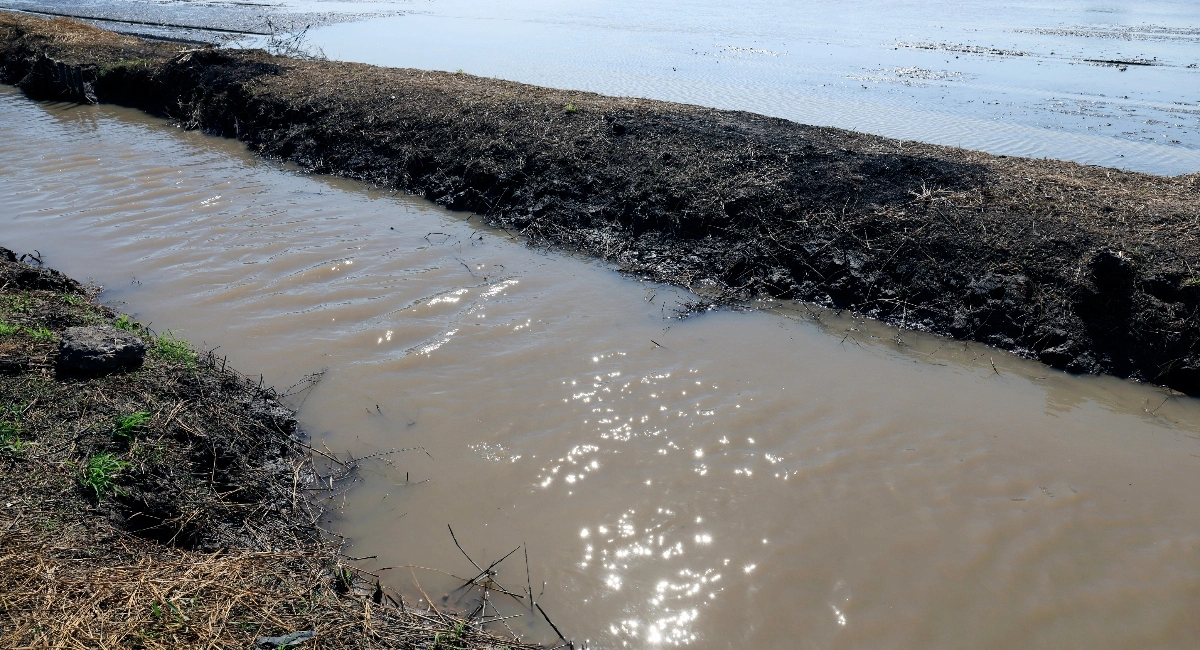
Soil erosion is one of the most serious long-term risks to farmland productivity. Because it often happens gradually, absentee landowners may not notice it right away.
Warning signs may include:
- Gullies forming in fields
- Sediment buildup in waterways
- Bare soil on slopes after heavy rains
- Damaged or poorly maintained terraces
Loss of topsoil can reduce productivity and permanently affect land value, making erosion control an important part of responsible farm management.
3. Poor Weed Control
Weeds are more than just a cosmetic issue. If weed populations are increasing across a farm, it can signal that weed management practices are not being properly implemented.
Common warning signs include:
- Large patches of uncontrolled weeds
- Weeds visible along field edges or waterways
- Increased weed pressure from year to year
Unchecked weeds can reduce crop yields and create long-term management challenges for the farm.
4. Drainage Problems Being Ignored
Proper drainage is critical for maintaining crop productivity. When drainage issues develop—such as plugged tile lines or collapsed outlets—yields can suffer quickly.
Signs of drainage problems may include:
- Standing water in fields after rainfall
- Wet areas that remain unplanted
- Crop stress or yellowing in low spots
Addressing drainage issues promptly helps maintain productivity and protect the long-term value of the land.
5. Lack of Communication
A strong tenant relationship usually involves open and consistent communication.
If communication becomes limited or unclear, it may be worth asking additional questions.
Some warning signs include:
- Difficulty reaching the tenant
- Limited information about crop performance
- Unclear explanations about field conditions or management decisions
Landowners should feel comfortable discussing how their land is being managed.
6. Neglected Conservation Practices
Many farms include conservation features designed to protect soil and water resources, such as:
- Grass waterways
- Terraces
- Prairie strips
- Buffer areas
If these conservation practices are not being maintained, erosion risks can increase and environmental compliance issues may arise.
Regular inspections can help ensure these features remain functional.
7. Poor Maintenance of Infrastructure
Beyond the crops themselves, farmland often includes improvements such as:
- Drainage tile systems
- Access roads
- Fences
- Grain storage or buildings
Neglecting these improvements can lead to expensive repairs later. Absentee landowners should periodically confirm that farm infrastructure is being maintained appropriately.
8. Evidence of Soil Compaction or Field Damage
Heavy equipment, poor timing of field operations, or repeated traffic patterns can create soil compaction. Compacted soils reduce root growth, water infiltration, and crop productivity.
Possible warning signs include:
- Poor crop growth in certain areas
- Ruts or uneven field surfaces
- Water pooling after rainfall
Monitoring field conditions over time can help identify these issues early.
9. Falling Behind on Field Operations
Agricultural timing matters. Delayed planting, late harvests, or missed management steps can reduce crop performance.
While weather can sometimes cause unavoidable delays, repeated patterns of poor timing may signal management challenges.
Landowners who track seasonal progress can often identify these issues early.
10. No Documentation or Reporting
Many absentee landowners have limited insight into their farm’s annual performance. Without information such as yield results, soil tests, or crop reports, it can be difficult to evaluate how the farm is being managed.
Some landowners benefit from receiving periodic updates that summarize:
- Crop performance
- Field conditions
- Soil health metrics
- Recommended improvements
These insights help landowners stay informed even when they live far from the property.
Protecting the Long-Term Value of Your Farmland
Most tenant relationships work very well and are built on trust and mutual respect. However, farmland is a long-term investment that benefits from regular oversight and communication.
By staying informed about how their land is being managed, absentee landowners can help ensure their farm remains productive and well cared for.
In some cases, professional farm management services can provide additional support through regular farm visits, reporting, tenant oversight, and long-term planning.
This type of oversight helps protect both the income potential and long-term value of farmland, giving absentee owners greater confidence in how their property is being managed.